Artist · producer · engineer
zai
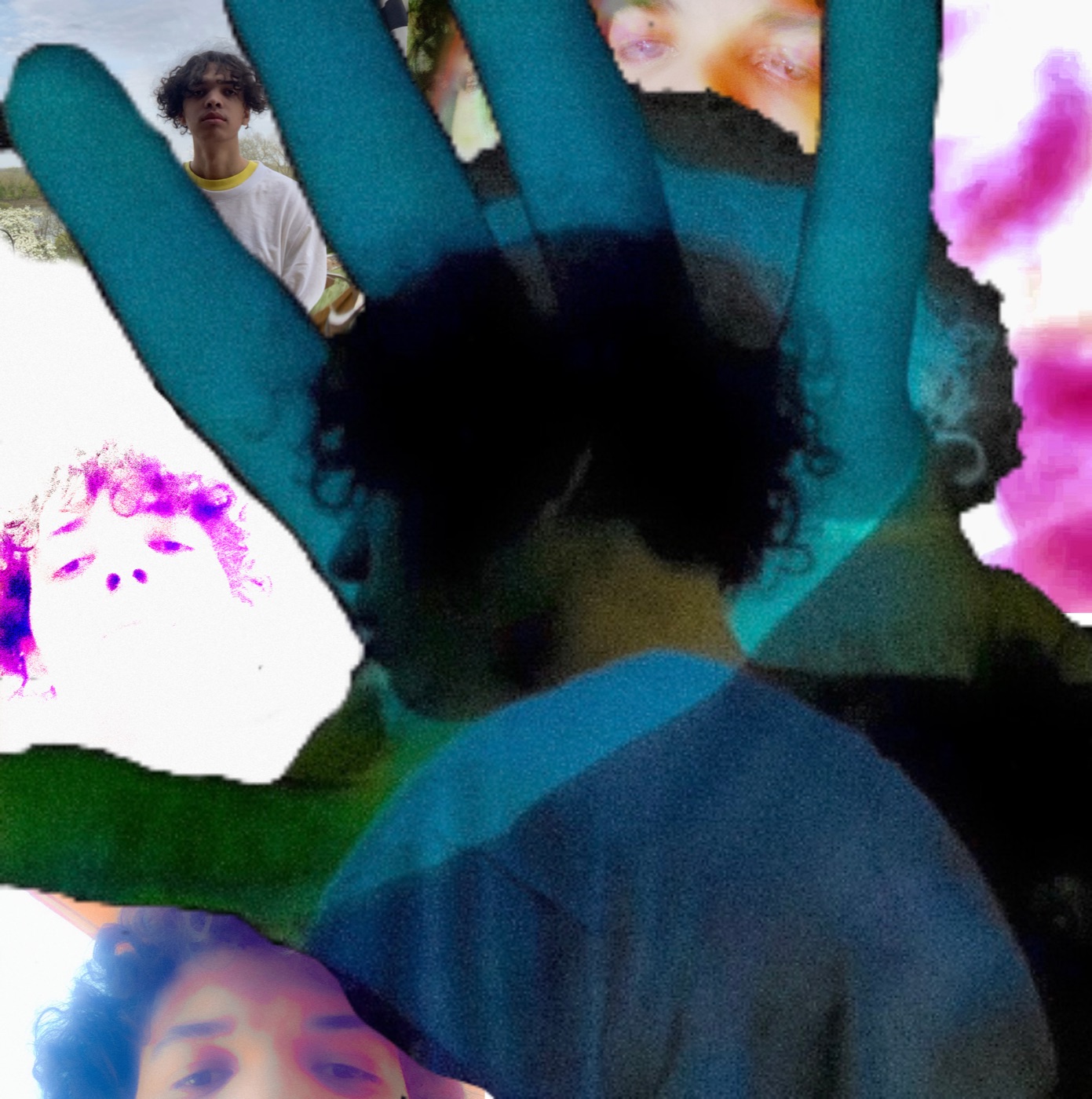
The other half of the catalog work is that I make the records. I write, produce, mix and master them, and I’ve run the business side of them since 2018 — which is how I learned the business side at all.
Listen
View the full catalog →The catalog isn’t on streaming right now. When I went to Berklee I stopped releasing my own music, and I wasn’t going to keep paying for distribution on a catalog I’d stopped adding to — so I took it down deliberately rather than let a subscription lapse and leave the records stranded somewhere I no longer controlled.
The registrations and the identifiers behind it are intact — taking a catalog down is a distribution decision, not a rights one. It’s going back up, and when it does you’ll be able to check the identifiers yourself.
The label
Mortal Records
An independent label, run end to end by one person
Visit the site: mortalrecords.co
Mortal Records is the label I always wanted to start, and a multimedia art project as much as a business. zai is my own artistry. Running it is where I learned the operational half of this work — the registrations, the splits, the identifiers, the recordkeeping — because there was nobody else to do it.
After two surgeries in 2019 and 2021 I stopped being able to perform, and stopped being able to track my own vocals the way the early catalog was made — in a room, for hours at a stretch. I still write, produce, mix and master. I had years’ worth of demos and lyrics that my body wasn’t going to let me finish, and finishing them is what the label became.
On AI
An instrument, not a substitute
I was making records before these tools existed. I am still the one making them.
I have written, produced, mixed and mastered this catalog since 2018. The songwriting, the arrangement and the production decisions are mine. Where I use machine-assisted vocal tools, they finish a part I already wrote, in a range I can no longer track myself — the same way a compressor or a sampler is a tool. They don’t write the record.
Where those tools are used, the label discloses it on the release rather than leaving it to be noticed — which is the same instinct as everything else here: if something has to be true every time, don’t leave it to discipline.
The label also does what I do for my own catalog: mixing and mastering, registration, and metadata governance — and because everything is written, produced and owned in one place, a sync license is one conversation with one rights holder instead of a clearance chain.